

Between Loss and Living: Reflections from a Psycho-Oncology Practice
– Dr. Priyadarshini Pant, Patiala
The past ten days have been heavy, as I lost six terminally ill patients to cancer. The experience, however, is always a mixed bag because, just in the last two days, three of my patients—who are cancer survivors—have reported an improvement in their quality of life. One reported that she is no longer so preoccupied with the fear of relapse; another shared a newfound purpose in life; and the third reported that the distress associated with her body image issues and loss of function was decreasing, allowing her to work on identity rebalancing.
My Professional Journey
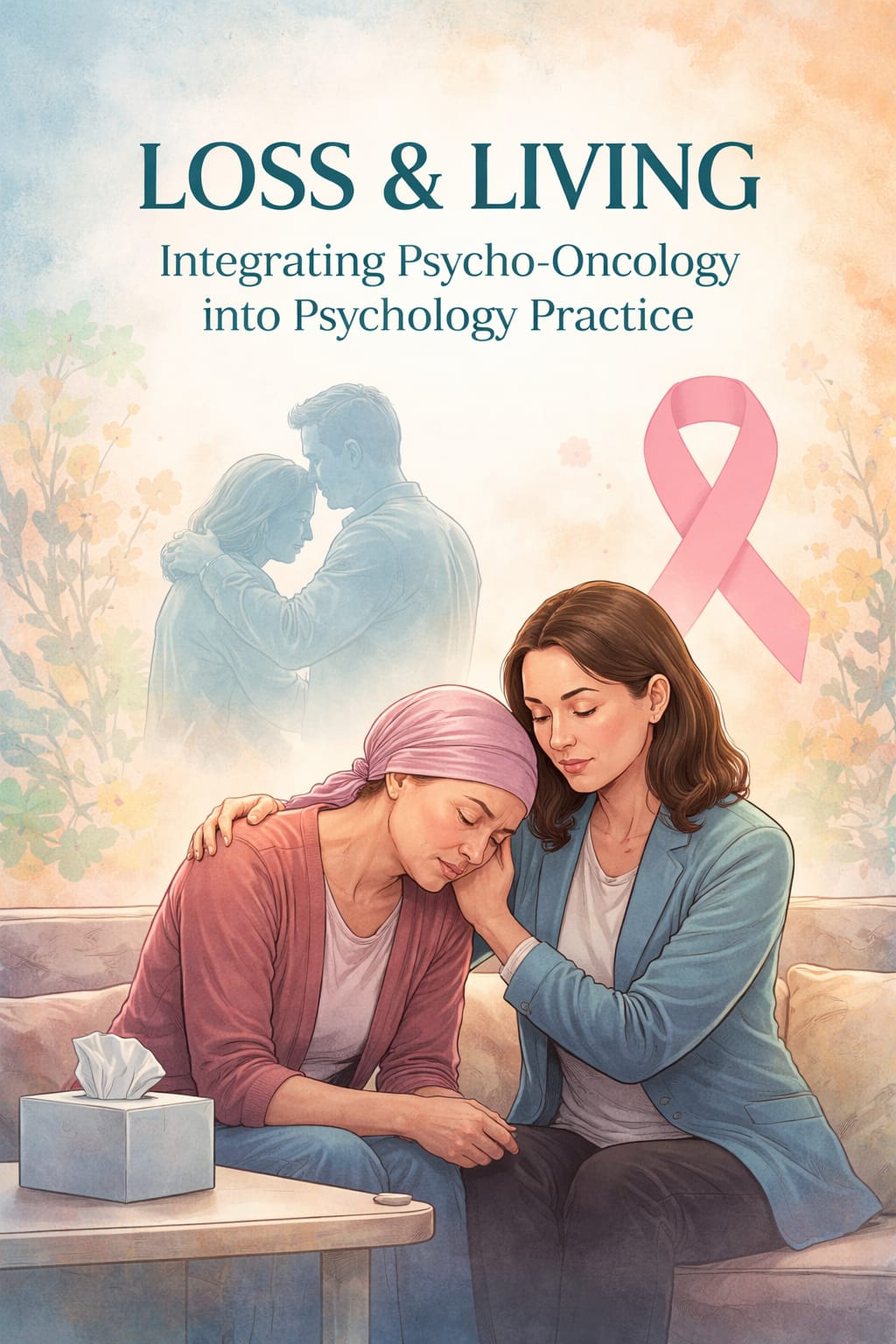
My professional journey started as a clinical psychologist who ventured into the area of thanatology during the COVID-19 pandemic. At that time, patient interactions involving sudden grief over lost loved ones, routines, jobs, dreams, health, and functionality gradually paved my way toward trauma, grief, palliative care, psychosocial oncology, caring for the terminally ill, cancer survivorship, supporting caregivers, training and supervising human resources in this area—which now forms the major chunk of my work.
In this moment, as I hold a mourning space for myself and the families of those who lost their loved ones, while also finding shared joy and meaning in the survivorship journeys of those navigating the challenges of cancer survivorship, I feel that reflecting on why I chose to work in this area also helps me see the urgent need for mental health professionals to integrate psycho-oncology and palliative care into their practice.
Need for Psycho-oncologists and Palliative Care Psychologists in India
India faces an increasing cancer burden, with around 15.6 lakh cases recorded in 2024—a figure that underscores the gravity of this public health concern. While advances in medical treatment continue, the psychological needs of patients and caregivers often remain under-addressed. Building a robust workforce through specialized graduate and postgraduate programs, professional courses, and psycho-oncology–informed policy making is essential to meet the emotional and psychosocial demands accompanying this rise in cancer.
As psychologists, we are trained to understand human suffering, resilience, and meaning making. In my years of practice, I have witnessed how physical illness—particularly cancer—reverberates through every aspect of a person’s life: identity, relationships, future plans, daily functioning, and emotional equilibrium. Yet for many clinicians, psycho-oncology continues to be viewed as a distant, highly medicalized specialty, rather than an integral extension of everyday psychological practice.
In this context, mental health professionals—especially psychologists—are urgently called upon to integrate psycho-oncology into their clinical work. Addressing fear of relapse, survivorship challenges, body image disturbances, grief, caregiver burden, and end-of-life concerns is no longer optional. In the absence of adequately trained professionals, patients and families continue to shoulder unaddressed emotional distress, compounding suffering and negatively affecting outcomes in a resource-constrained healthcare system like India.
Formal graduate and postgraduate programs in psycho-oncology and palliative psychology can help standardize competencies in distress screening, Cognitive Behaviour Therapy (CBT) for cancer-related anxiety, survivorship care, and grief counselling. Such training would strengthen existing curricula, prepare skilled human resources, and enable the scaling of psychosocial services across diverse healthcare settings.
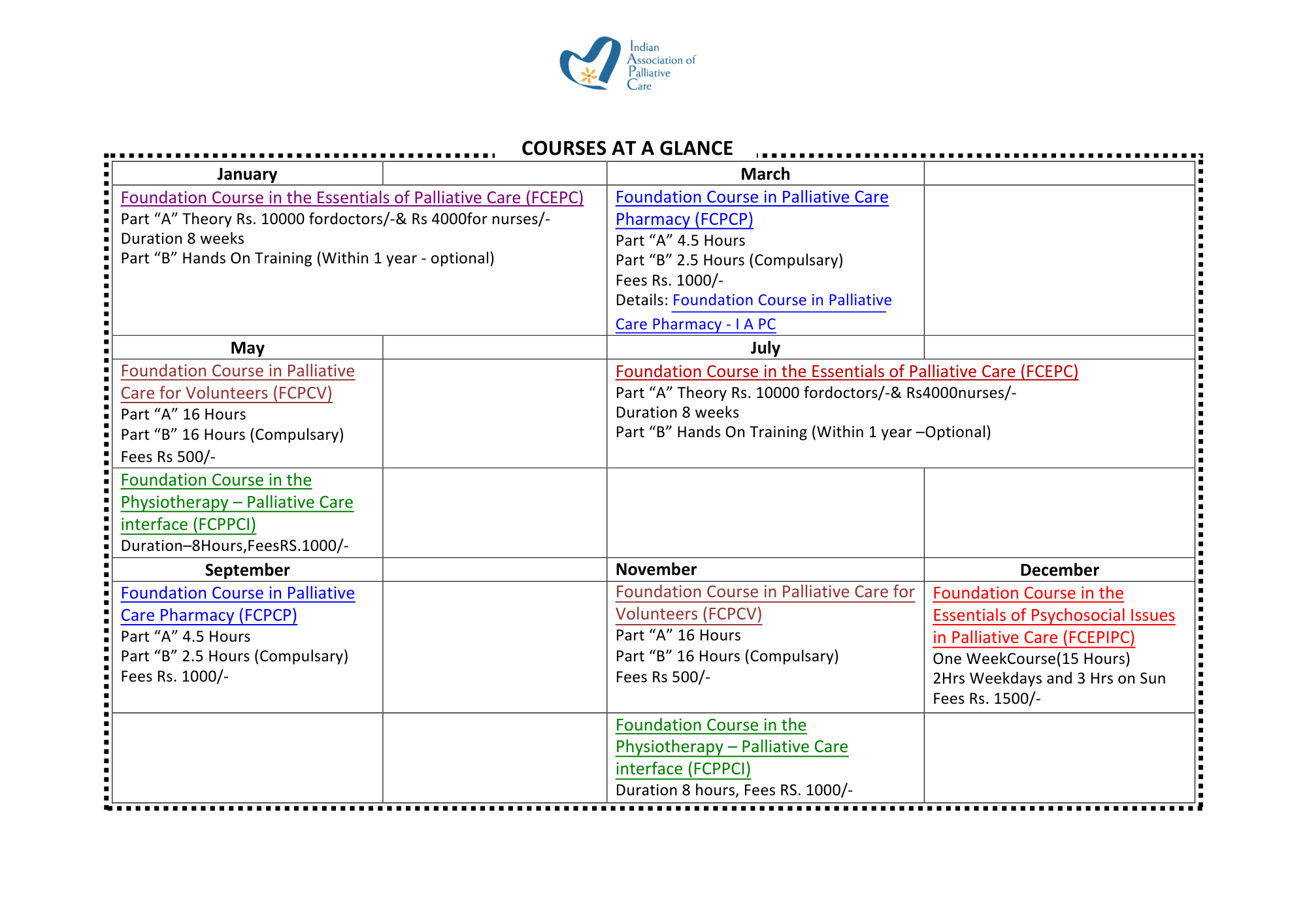
Alongside formal education, short courses, workshops, and fellowships—offered by bodies such as the Indian Association of Palliative Care—provide accessible and practical entry points into the field. These include guided readings, mentorship, institutional partnerships, camps, and structured programs such as the Essentials of Psycho-Social Palliative Care course, which has engaged over 60 participants and featured experts like Dr. Ganapathy and Dr. Seema Rao sharing insights from clinical realities. At a policy level, psycho-oncology–informed leadership can mandate integration into national health frameworks, fund training initiatives, and strengthen collaborations with cancer centres—contributing to reduced healthcare costs, improved quality of survival, and more humane cancer care.
Such investments have the potential to transform care: pain relief can coexist with emotional resolution; demoralization can give way to meaning, purpose, and legacy building; sudden terminal diagnosis can allow space for unfinished conversations and bidding goodbyes; pervasive sorrow can hold moments of connection and joy; caregiver burden can be shared; and survivorship struggles can be approached with resilience, rebalancing, and redefinition.
Practical Ways Psychologists Can Integrate Psycho-Oncology
- Broaden Assessment
Go beyond symptom checklists to include illness narratives, medical experiences, and how a diagnosis has reshaped identity, relationships, and roles. These stories provide essential context to distress and reveal what is often left unsaid in clinical settings. - Adapt Therapeutic Approaches
Dignity Therapy, Compassion Focused approach and Person-Centred stance form the ground for this work. Cognitive Behavioural Therapy can be applied to illness-related beliefs and fear of recurrence; Acceptance and Commitment Therapy support living with uncertainty; narrative and meaning-centred therapies aid identity reconstruction and legacy work. These adaptations do not require new theories—only a thoughtful application of frameworks psychologists already use. - Support Caregivers
Caregivers are often the invisible patients, carrying burnout, guilt, shame, role strain, exhaustion and anticipatory grief. Attending to their emotional needs not only supports their wellbeing but also strengthens the entire network of care surrounding the patient. - Form Collaborations
Develop referral bridges with oncologists, palliative care teams, and community cancer support organizations. Such collaboration enhances holistic care and reduces the fragmentation that patients and families frequently experience across medical systems. Aligned professional attitudes, multidisciplinary approach and effective professional communication are central to providing holistic care.
What Keeps Me Going
The following excerpts from patient verbatims, recorded during formal interactions, provide a deeper glimpse of what this work entails and why profound emotional needs are often silently screaming in the background, beneath the noise of diagnosis and treatment.
“I could finally resolve the long-standing dispute with my brother and talk to him after 25 years, I feel light and I think I can die without regret”
“I was worried for my wife as she does not share her emotions with anyone, but she has found a connection with you and knowing that you’ll be in touch with her after I am no more helps me believe that she’ll have someone”
“I am dying but I felt heard, seen and respected in your presence, revisiting my entire life and looking at what legacy am I leaving behind makes it easier, because I can see that my life was not a waste and I am not just my illness”
“I just needed someone who could listen to me without giving me any advice, any suggestion and having any judgment, I need to sit and process my diagnosis, understand what it means for my life, my family, my body and then decide on treatment, thank you for being present”
“Caregiving was tough, I felt weak emotionally and drained physically, but guilt used to override my behaviour, I am in a much better space after starting therapy, I am no longer just a caregiver to my ailing mother, I am also her daughter and I feel I need to be her daughter more often because I will miss that after she is gone”
“Breast cancer dented my female identity and my feminine but everyone told me that at least I survived, when I complained about the loss of function and how I did not like my body, I was judged, I did not want to talk to one more person who could dismiss me, but when you tenderly asked me the questions about discomfort and truly listened without interrupting or trying to tell me that everything was okay, something changed, I could talk freely, I could express my anger, anxieties, fears and here we are 6 months after, I still have issues with my body and deteriorated functioning but that will take time, however, I am happy that someone understands that my identity was shaken and it needs to be rebalanced, and we are working on it”
Working in this field has brought me closer to the harsh realities of life, along with the most vulnerable human conditions that call for tender care, genuine empathy, human connection, and compassion. The more closely we observe death and dying, the more clarity we gain about our own temporary existence—which, for me, translates into a renewed sense of purpose and a commitment to contributing meaningfully.
At a time when cancer care in India is rapidly expanding, integrating psycho-oncology and palliative psychology into mainstream mental health practice is no longer optional—it is an ethical, clinical, and human necessity if care is to truly include dignity, meaning, and emotional presence alongside cure and survival.
References
About the Author:
Priyadarshini Pant is a licensed Clinical Psychologist and Psycho-Social Oncologist with over 10 years of experience. She holds an M.A. and M.Phil. in Clinical Psychology, along with a Ph.D. in Psychology. Specializing in psycho-social oncology, she has worked in multidisciplinary hospitals and led the clinical psychology department in a private hospital. She is the founder of Care and Counselling, a virtual psychotherapy platform created in 2019 to provide mental health support for trauma, grief, and health-related challenges. As an invited speaker, she designs mental health awareness programs, trains hospital staff, and supervises early-career psychologists and psycho-oncologists. She recently completed the Foundation Course in the Essentials of Psychosocial Issues in Palliative Care, provided by IAPC. Her expertise includes a compassionate, person-centred approach, specializing in palliative care, family support, cancer survivorship, and providing supervision for therapy professionals. She also focuses on helping healthcare workers manage compassion fatigue and burnout.